

Orland Park Landscape Services
Sign up now for spring service and let your yard bloom with professional care!
Get a Free QuoteLandscape Services Tailored for Orland Park, IL
Expert Lawn Care for Orland Park’s Unique Environment
Orland Park, IL, is known for its diverse neighborhoods like Eagle Ridge and the scenic Centennial Park, but its local climate and geography present unique challenges for homeowners. Winters bring heavy snowfall and frequent road salt treatments, which can damage turf and soil along driveways and sidewalks. In the summer, lawns often face drought stress due to high temperatures and occasional dry spells, while mature trees in established areas like Old Orland create shaded lots that require specialized grass varieties and care. Sloped properties near natural features such as Lake Sedgewick are also prone to soil erosion, demanding tailored solutions for stability and healthy growth. For more information about local services and community resources, visit Orland Park's Official Website.
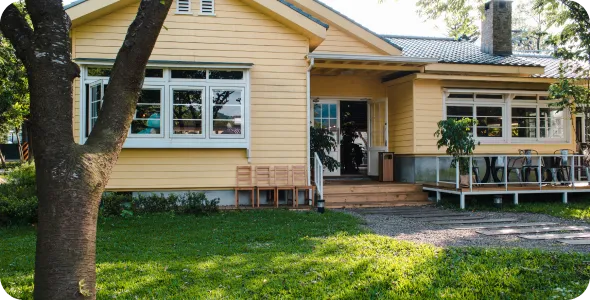
Our Orland Park Landscaping & Yard Care Services
Orland Park Gardening Services
Orland Park Yard Clean Up
Why Choose Orland Park Landscape Services

Orland Park Homeowners Trust Us
-
Expert Lawn Maintenance
-
Reliable Seasonal Cleanup
-
Competitive Pricing
-
Professional Team
-
Satisfaction Guarantee
-
Personalized Service
Contact Your Local Orland Park Public Works or Parks Department for Green Waste Info
Orland Park provides comprehensive green waste management programs to support environmentally responsible lawn care. Seasonal yard waste collection typically runs from April through November, with residents required to use paper yard waste bags or clearly labeled rigid containers—plastic bags are not accepted. Accepted materials include grass clippings, leaves, small branches, and other organic debris. For larger brush, bundles must be tied with twine and not exceed 4 feet in length. The village also offers a yard waste drop-off site, generally open on Saturdays during the collection season; a resident sticker or permit may be required for access. Commercial landscapers must comply with disposal requirements and may be subject to fees. It is strictly prohibited to dispose of lawn waste in streets, alleys, or storm drains, as this can lead to water quality violations under the Illinois Environmental Protection Act (415 ILCS 5), impacting local waterways and the Lake Michigan watershed.
Orland Park Department of Public Works
14700 Ravinia Ave, Orland Park, IL 60462
Phone: (708) 403-6350
Official Website: Orland Park Department of Public Works
Lawn Care Regulations & Permits in Orland Park, IL
Lawn care in Orland Park is governed by a robust regulatory framework to protect public health and the environment. The Illinois Fertilizer Act (505 ILCS 80) restricts phosphorus use on established lawns unless a soil test indicates deficiency or for new lawn establishment. Fertilizer application is prohibited near water bodies, with buffer zones of 10-25 feet. Pesticide use is regulated under the Illinois Pesticide Act (415 ILCS 60), requiring commercial applicator licensing and notification postings. Outdoor watering is subject to local ordinances, often following odd/even address schedules and time-of-day restrictions (before 10 AM or after 6 PM) to conserve water. Noise ordinances limit lawn equipment operation to 7:00 AM-9:00 PM on weekdays, 8:00 AM-9:00 PM on Saturdays, and may restrict use on Sundays and holidays. Commercial operators must register with the village, maintain liability insurance, and ensure worker certifications and vehicle registrations are current.
Orland Park Development Services Department
14700 Ravinia Ave, Orland Park, IL 60462
Phone: (708) 403-5300
Official Website: Orland Park Development Services Department
What Neighborhoods Do We Serve in Orland Park, IL?
Orland Park encompasses a diverse range of neighborhoods, each with unique lawn care considerations shaped by local soil, climate, and community standards:
- Old Orland Historic District: Features mature tree canopies, smaller lots, and historic landscaping guidelines; heavy clay soils and drainage challenges are common.
- Orland Hills and Orland Ridge: Newer subdivisions with larger lots, shallow topsoil, and compacted clay requiring frequent aeration; HOA restrictions may apply.
- Brook Hills and Eagle Ridge: Proximity to wetlands and forest preserves necessitates buffer zones and native plant integration; alkaline soils and shade from established trees influence grass selection.
- Silo Ridge and Crystal Tree: Gated communities with strict aesthetic standards, underground utilities, and irrigation systems; Kentucky bluegrass and tall fescue blends are prevalent.
- Village Center/Downtown: Urban microclimate, smaller green spaces, and increased heat stress; public spaces require durable, low-maintenance turf.
- North Orland Park (near 143rd St and La Grange Rd): High commuter traffic, salt exposure from major roads, and mixed-use developments; drainage improvements are often needed.
- South Orland Park (near 179th St and Wolf Rd): Larger lots, prairie restoration areas, and proximity to Cook County Forest Preserve District; native landscaping is encouraged.
Partnering With Orland Park’s Environmental Commission for Sustainable Landscaping
The Orland Park Environmental Commission plays a vital role in guiding sustainable landscaping and environmental stewardship. The commission oversees wetland protection, enforces buffer zone regulations, and coordinates with state and federal agencies to ensure compliance with the Illinois Environmental Protection Act (415 ILCS 5). Sustainable practices promoted include:
- Organic lawn care methods
- Integration of native prairie plants and grasses
- Installation of rain gardens for stormwater management
- Proper mulching and grasscycling to reduce landfill waste The commission also supports MS4 stormwater compliance, protecting the Lake Michigan watershed, and collaborates with the Cook County Forest Preserve District and local tree planting and invasive species management initiatives.
Orland Park Commissions and Advisory Boards
14700 Ravinia Ave, Orland Park, IL 60462
Phone: (708) 403-6100
Official Website: Orland Park Commissions and Advisory Boards
Top Orland Park Lawn Problems (and How We Solve Them)
Orland Park lawns face several region-specific challenges due to local climate and soil conditions:
- Heavy clay soil compaction
- Alkaline pH (7.0-8.0+)
- Road salt damage (especially near major roads)
- Grub infestations (Japanese beetles, masked chafers)
- Fungal diseases (brown patch, dollar spot, snow mold)
- Drought and heat stress in summer
- Weed invasions (crabgrass, dandelion, nutsedge)
Science-based solutions include:
- Core aeration (at least twice annually) to relieve compaction
- Soil testing via University of Illinois Extension and targeted amendments (sulfur for pH adjustment)
- Overseeding with drought-tolerant tall fescue blends
- Integrated pest management and disease-resistant turf varieties
- Proper mowing, watering, and fertilization practices
- Installation of French drains or subsurface drainage for wet areas
- Use of native plants and mulching to suppress weeds and retain moisture
What Makes Lawns in Orland Park Different From the Rest of Illinois?
Orland Park’s lawns are shaped by unique regional characteristics:
- Climate Zone: USDA Hardiness Zone 5a-6a, with a growing season of 180-200 days and harsh winters
- Soil Geology: Predominantly heavy clay soils (Drummer, Flanagan series) from glacial deposits, naturally alkaline (pH 7.0-8.5), and poor drainage
- Microclimate Factors: Urban heat island effects, Lake Michigan’s moderating influence, and prairie winds
- Pest & Disease Pressure: High incidence of Japanese beetle grubs, billbugs, and fungal diseases due to humid summers
- Historical Patterns: Post-WWII suburban development, mature tree canopies, and a shift from pure Kentucky bluegrass to mixed-species lawns These factors require tailored horticultural practices and regulatory compliance to maintain healthy, resilient turf.
Supporting Local Events in Orland Park With Lawn Expertise
Orland Park’s commitment to community engagement is reflected in its support for local events and organizations:
- Summer festivals and farmers markets on the Village Green
- Athletic field maintenance for youth sports leagues (Little League, soccer, football)
- Park beautification for public celebrations and holiday events
- Collaboration with the Parks & Recreation Department for volunteer cleanup days
- Educational partnerships with schools, garden clubs, and the public library
- Emergency storm response and debris removal after severe weather These efforts foster community pride and ensure public spaces remain safe, attractive, and environmentally responsible.
Orland Park Parks and Recreation Department
14600 Ravinia Ave, Orland Park, IL 60462
Phone: (708) 403-7275
Official Website: Orland Park Parks and Recreation Department
Eco-Friendly Landscaping Backed by Orland Park’s Green Initiatives
Orland Park aligns its landscaping practices with local sustainability goals and Tree City USA standards. Key initiatives include:
- Water conservation through smart irrigation controllers and rain sensors
- Selection of drought-tolerant turfgrass cultivars (tall fescue blends)
- Rainwater harvesting and xeriscaping for low-water landscapes
- Organic lawn care and compost topdressing to improve clay soil
- Pollinator-friendly landscaping to support bees and butterflies
- Transition to battery-powered equipment to reduce emissions and noise
- Grasscycling to reduce landfill waste and carbon footprint These practices support the village’s climate action plans and promote a healthier, more resilient urban environment.
Proudly Serving These Streets and Areas in Orland Park
Orland Park’s lawn care services cover a wide range of neighborhoods, subdivisions, and landmarks, organized for clarity:
- Downtown/Central: Old Orland Historic District, Village Center, Orland Square Mall area, Metra station vicinity
- North: Brook Hills, Eagle Ridge, Orland Ridge, neighborhoods near 143rd St and La Grange Rd
- South: Silo Ridge, Crystal Tree, subdivisions near 179th St and Wolf Rd, prairie restoration areas
- East: Orland Hills, Fernway, areas bordering Oak Forest and Tinley Park
- West: Orland Woods, subdivisions near 108th Ave and 159th St, access to Cook County Forest Preserve District
- School Districts: Areas served by Orland School District 135 and Consolidated High School District 230
- Landmarks: Centennial Park, Lake Sedgewick, John Humphrey Complex, Orland Park Civic Center Special considerations are given to conservation easements, HOA requirements, and historic district guidelines to ensure compliance and environmental stewardship.
Orland Park Water Department
14700 Ravinia Ave, Orland Park, IL 60462
Phone: (708) 403-6175
Official Website: Orland Park Water Department